 产业资讯
产业资讯
 药明康德
药明康德  2026-03-11
 1949
1949
编者按:DNA编码化合物库(DEL)技术诞生30多年来,已从一项超越时代的前沿构想,发展为重塑早期药物发现流程的重要工具。凭借其高效的大规模筛选能力以及对“难以成药”靶点的适用性,DEL显著提升了潜力分子的发现效率,并已推动数款候选药物进入临床开发阶段。作为全球医药创新的赋能者,药明康德拥有成熟完善的DEL技术平台,持续为全球合作伙伴提供针对多种分子类型的新药发现服务,并依托一体化、端到端CRDMO平台助力候选分子从科学前沿到临床现实的转化进程。
1992年,时任Scripps研究所首任所长的Richard Lerner教授与诺奖得主Sydney Brenner教授共同发表了一篇超越时代的学术论文。经过多年沉淀,论文中的构想已经成为深刻改变药物发现流程的重要力量。
两位科学家试图解决的,是一个长期制约新药发现效率的关键难题。
在新药发现的最初阶段,科学家常常面对这样一幅画面——一个巨大的“分子海洋”铺陈眼前,数以亿计的化合物静静沉睡其中。如何从这片汪洋里,捞到那根能精准命中疾病靶点的“针”?
传统筛选方法往往耗时漫长。但在新药研发这场与疾病的赛跑中,时间从不等人。
正是在这样的背景下,两位科学家提出了影响深远的DNA编码化合物库(DNA-encoded library,DEL)技术。
在DEL技术中,每一个化合物都被“绑定”了一段独一无二的DNA序列。这段序列就像化合物的身份标签,记录着它的相关信息。
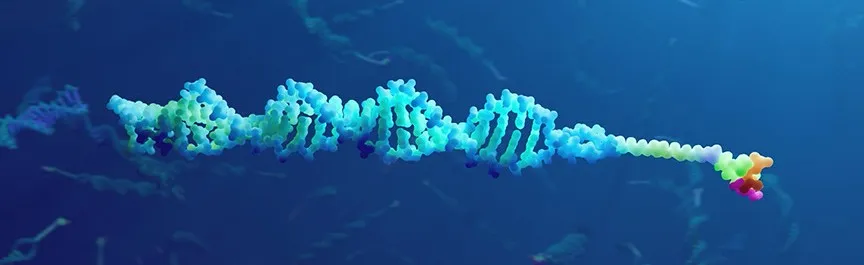
当数十亿个带着特定标签的化合物与靶蛋白共同孵育,一场无声的竞赛随之展开。谁能牢牢“抓住”靶点,谁就被保留下来。
而研究人员无需逐一分析这些化合物的结构,只需检测这些分子携带的标签,答案便一目了然。
那些高亲合力的苗头化合物就这样快速浮出水面,走向后续的验证与分析。
随着技术工具的发展,DEL技术在过去十多年间迅速崛起。如今,DEL已经成为药物发现领域的核心工具之一——一次性筛选数十亿分子,让新药发现更高效、成本更低,为“难以成药”的靶点和全新靶点的先导化合物发现打开新窗口。迄今为止,全球多款临床候选药物的发现,背后都有DEL的贡献。
让DEL技术触手可及
几年前,DEL还是少数实验室的“专属技术”。对于许多初创生物技术公司和实验室而言,成本与技术门槛使得DEL依然是“只可远观”的存在。
一个问题摆在面前——能不能把这项复杂的技术,变成人人都能使用的工具?
为了让技术回归初衷,2018年,药明康德生物学业务平台从零起步,开始建设DEL平台。短短数月内,首个DEL产品初步成型;一年后,平台迎来了首位客户,开始其赋能之旅。
经过多年的发展,药明康德生物学业务平台陆续推出DELopen、DELight、DELpro等多种DEL产品,面向不同需求的学术界和产业界客户开放。即使是一支仅有两位科学家的初创团队,也能借助这些产品迈出创新药发现的第一步。
“无论你是化学家还是生物学家,无论来自初创公司还是大型药企,都能像使用常规实验工具一样轻松上手。”药明康德副总裁,生物学业务平台首席科学官蒯乐天博士这样描述建设DEL平台的初衷。
真实故事往往比理念更具说服力。
一次合作中,一家大型药企需要基于一个极具挑战性的靶点筛选出能够高效结合靶点的先导化合物。这项“看似不可能完成”的任务,被交到了药明康德团队手中。
几个月后,DEL筛选结果出来了。
药明康德团队的筛选结果超出了最初的预期,找到了皮摩尔级亲和力的分子——这意味着分子与靶点结合极为紧密,成药潜力更高。
这项棘手任务的完成,成为新一轮合作的起点。此后,这家企业又与药明康德展开了十余次合作,不断推进针对难开发靶点的新药研发项目。

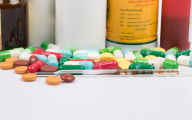
图片来源:123RF
信任,就这样一点点建立起来。
这个案例是药明康德DEL平台持续助力客户加速新药发现的真实写照。如今,药明康德生物学业务平台每年执行数百次DEL筛选,测试数十亿级别化合物,广泛覆盖癌症、神经科学等多个领域。DEL这项技术,已经成为新药发现体系的基石之一。
拓展DEL的化学空间
提升筛选能力的同时,如何进一步丰富DEL化合物库中的分子类型与化学空间,成为新的挑战。
在药物研发中,分子的环状骨架往往直接影响其生物活性。如果DEL化合物库中缺少那些生物活性良好的关键骨架,再大规模的筛选,也可能与真正的候选分子擦肩而过。
因此,拓展DEL的化学空间,让DEL化合物库中的分子结构类型更多样、更接近真实药物分子,也是药明康德DEL平台能力持续完善的重要方向。
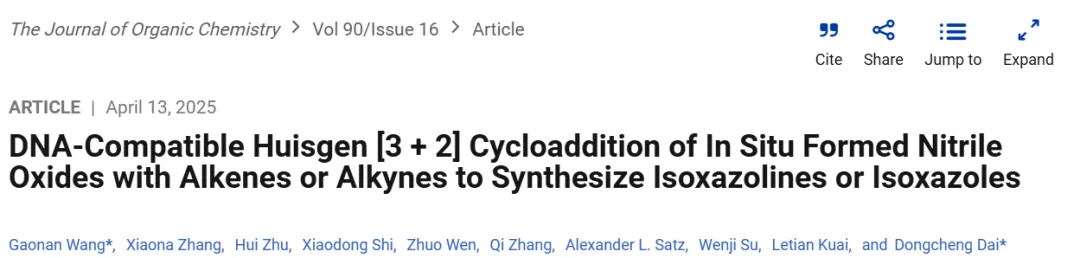
在2025年的一项研究中,团队聚焦于两个重要的环状骨架——异恶唑啉(isoxazoline)和异恶唑(isoxazole)。
它们在多种小分子药物中反复出现,表现出良好的生物活性。例如,从β-内酰胺类抗生素中的抗菌、抗真菌成分,到某些镇痛抗炎药物,都能看到异恶唑的身影。
将这类关键骨架引入DEL化合物库,对于提升筛选分子的成药潜力具有重要意义。
然而,在DEL中构建这类结构绝非易事。
DEL的化学反应必须在兼容DNA存在的条件下进行,而后者对高温、强酸强碱极其敏感,许多经典有机合成方法根本无法直接使用。
既要构建这些环状骨架,又要高转化率,同时还不能损伤DNA,几乎是一场“刀尖上的舞蹈”。
在这项研究中,药明康德生物学业务平台以易得的醛类原料为起点,基于Huisgen环加成反应进行合成路线设计与优化,最终在DNA连接状态下实现了异恶唑和异恶唑啉环的高效构建。
更重要的是,这一方法具有广泛适用性。多种杂环醛、双官能团醛均可参与反应,在不造成损伤的前提下生成目标结构。
化学空间,就这样被进一步拓展。而每一次化学空间的扩展,都意味着筛选成功率的提升。
DEL技术的下一站
这个案例,只是药明康德生物学业务平台持续建设DEL平台能力的一个缩影。
当传统小分子筛选日趋成熟,新分子浪潮带来了新的挑战。对于mRNA、多肽、分子胶、双特异性蛋白降解分子等新分子类型,DEL面临着更高的筛选难度。
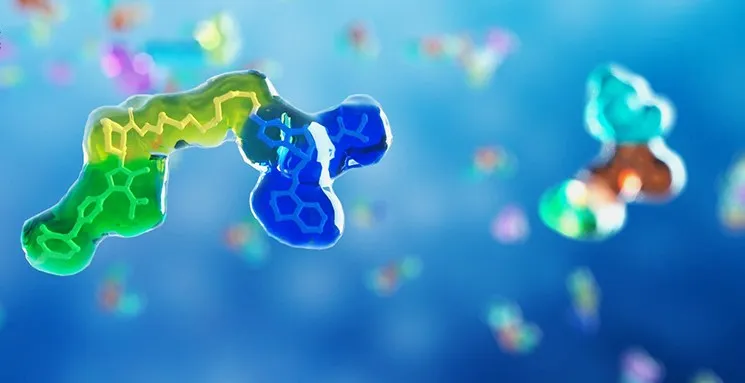
以PROTAC®等双特异性蛋白降解分子为例,它们需要同时识别两个靶点——一个配体抓住目标蛋白,另一个与E3泛素连接酶结合。
筛选难度,成倍增加。
为了应对这类分子的挑战,药明康德生物学业务平台团队构建了一个包含超过40亿个双功能分子的专有DEL库;此外,为提升筛选效率,开发了双功能一珠一化合物(OBOC)DEL平台。
不同于传统液相DEL将分子混合筛选,OBOC-DEL把每个分子固定在独立微珠上。
筛选时,这些微珠与目标蛋白和E3连接酶共同孵育。只有与两者共同构成三元复合物的分子,才会被识别出来。
这个平台在保留传统DEL高通量筛选优势的同时,大大提升了对双特异性蛋白降解候选分子的识别效率。
通过对OBOC-DEL技术的进一步开发,团队正将传统的“亲和力筛选”拓展为“功能性筛选”——不仅评估分子与靶点的结合能力,还直接检测其对蛋白活性与细胞功能的调控效果,从而筛选具备生物功能的候选分子。
DEL,还在持续进化。
在技术持续迭代中,药明康德DEL平台正在帮助全球研发者缩短从科学假设到临床候选分子的距离,加速将前沿科学转化为造福患者的创新疗法。
一枚分子被筛选出来,只是故事的开始。
在药明康德一体化、端到端CRDMO平台上,这些潜力分子可以继续向下游推进,完成化合物合成、结构优化与生物学验证等工作。一条完整的转化路径,已经打通。
在这条路上,每一次化学反应优化、每一次筛选效率提升,最终指向的,都是同一个目标——让前沿科学成果,更快抵达患者。
From Molecular Ocean to Therapeutic Candidates: How DEL is Reshaping Drug Discovery
More than 30 years after its inception, DNA-encoded library (DEL) technology has evolved from a visionary concept into a transformative force in early-stage drug discovery. With its capacity for ultra-large-scale screening and its applicability to traditionally “undruggable” targets, DEL has dramatically enhanced the efficiency of hit identification and has already propelled several drug candidates into clinical development.
As an enabler of global pharmaceutical innovation, WuXi AppTec has established a comprehensive DEL platform, providing drug discovery services across diverse molecular modalities. Leveraging its fully integrated, end-to-end CRDMO enabling platform, WuXi AppTec supports global partners in translating frontier science into clinical reality.
From Visionary Idea to Industry Cornerstone
In 1992, Professor Richard Lerner, founding president of The Scripps Research Institute, and Nobel laureate Sydney Brenner published a paper that was far ahead of its time. Decades later, the concept they proposed has become a driving force reshaping how drugs are discovered.
The problem they sought to address was a longstanding bottleneck in pharmaceutical R&D.
At the early stages of drug discovery, scientists face a vast “ocean” of molecules, often numbering in the billions. The challenge is clear: how to retrieve the molecule capable of precisely engaging a disease target from such an immense molecular ocean?
Traditional screening approaches are time-consuming. Yet in the race against disease, time is a luxury.
Against this backdrop, Lerner and Brenner introduced the concept of DNA-encoded libraries (DEL).
In DEL technology, each small molecule is tagged with a unique DNA sequence that serves as a barcode, encoding the information of the compound. When billions of DNA-tagged compounds are incubated with a target protein, a silent competition unfolds. Only those molecules that bind tightly are retained, while others are washed away.
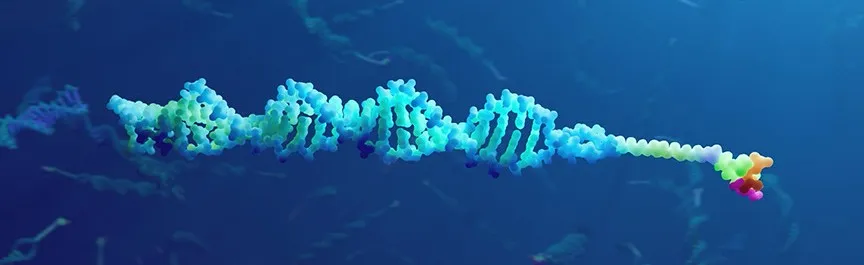
Instead of characterizing each compound’s structure individually, researchers
simply read the attached tags. In this way, high-affinity "hit" compounds are
revealed with remarkable speed and precision, ready to proceed to subsequent
validation and optimization.
Over the past decade, advances in enabling technologies have propelled DEL into mainstream drug discovery. Today, DEL stands as a core tool in early discovery, enabling simultaneous screening of billions of molecules, making early drug discovery more efficient and cost-effective, and opening new avenues for targeting previously "undruggable" proteins.
Making DEL Technology Accessible
Just a few years ago, DEL was considered a "specialized technology" confined to a handful of advanced laboratories. For many biotech startups and academic groups, the cost and technical barriers placed the technology out of reach.
A key question emerged: Could this sophisticated technology be transformed into an accessible tool for all innovators?
In 2018, WuXi Biology (WuXi AppTec’s biology discovery platform) began building its DEL platform from scratch. Within months, its first DEL offering took shape; one year later, the platform welcomed its first client, embarking on its journey to enable partners worldwide.
Over time, the DEL platform has launched various DEL products, including DELopen, DELight, and DELpro, catering to the diverse needs of academic and industrial clients. Even a two-scientist startup can now leverage these capabilities to initiate innovative drug discovery.
“Our goal was to make DEL simple enough that any scientist—chemist or biologist, startup or large pharma—could use it easily,” said Dr. Letian Kuai, Vice President, Chief Scientific Officer of WuXi Biology, describing the original vision behind the platform.
Real-world stories often speak louder than concepts.
In one partnership, a major pharmaceutical company approached WuXi AppTec with a highly challenging target. The task was to identify compounds with strong binding affinity, which seemed nearly impossible.
Several months later, the DEL campaign delivered results. The team in WuXi AppTec identified molecules with affinity at the picomolar level, signifying an exceptionally tight binding interaction and enhanced potential for drug development.
This challenging task marked the foundation for a long-term partnership. The client subsequently initiated more than ten additional collaborations, advancing multiple programs against undruggable targets.

Image source: 123RF
Trust, built step by step.
Today, WuXi Biology conducts hundreds of DEL screenings annually, evaluating billions of compounds across therapeutic areas such as oncology and neuroscience. DEL has become an important cornerstone of its integrated drug discovery system.
Expanding Chemical Space of DEL
As screening capacity has scaled, a new challenge has emerged: how to further expand the molecular diversity and chemical space represented within DEL libraries.
In drug discovery, the cyclic scaffolds embedded in small molecules often determine their biological activity. If key bioactive scaffolds are absent from a DEL library, even the largest screening effort may fail to uncover the most promising candidates.
Therefore, expanding DEL chemical space by enriching libraries with structurally diverse, drug-like scaffolds has become a strategic focus for WuXi Biology.
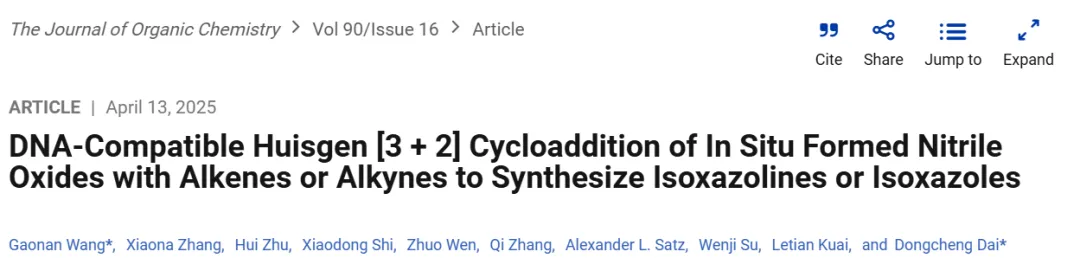
In a 2025 study, the team focused on two important cyclic scaffolds:
isoxazoline and isoxazole.
These motifs frequently appear in bioactive small molecules. For instance, isoxazoles are found in certain components of β-lactam antibiotics with antibacterial and antifungal properties, as well as in some analgesic and anti-inflammatory drugs.
Incorporating such privileged scaffolds into DEL libraries can significantly enhance the likelihood of identifying drug-like hits.
Yet constructing these structures under DEL conditions is far from trivial.
DEL chemistry must be performed under conditions compatible with DNA, which is highly sensitive to heat and extreme pH. Consequently, many classical organic reactions cannot be directly applied.
Building these cyclic scaffolds requires achieving high conversion yields while ensuring the tag remains intact, which is a delicate balancing act.
In this study, the team in WuXi Biology began with readily accessible aldehydes. By designing and optimizing a synthetic route based on the Huisgen cycloaddition reaction, they ultimately achieved the efficient construction of isoxazole and isoxazoline rings while attached to DNA.
Crucially, the method demonstrated broad substrate compatibility. Various heterocyclic aldehydes and bifunctional aldehydes could participate in the reaction, generating target structures without compromising the integrity.
With each such advance, DEL chemical space expands, translating into an increased probability of drug discovery.
The Next Frontier of DEL
This study is just one example of WuXi AppTec’s ongoing commitment to enhance DEL capabilities.
As traditional small-molecule discovery matures, the wave of new modalities presents fresh challenges. Novel molecules such as mRNA therapeutics, peptides, molecular glues, and bispecific protein degraders demand more sophisticated screening strategies.
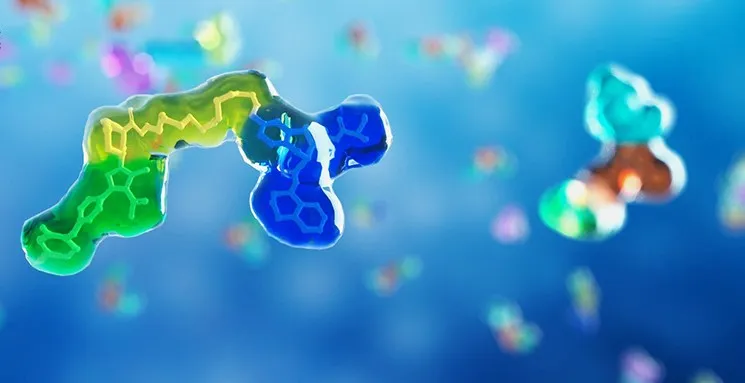
Take bispecific protein degraders like PROTACs® as an example. They need to
simultaneously engage two targets: one ligand binds the target protein, while
another binds an E3 ubiquitin ligase.
The screening complexity increases exponentially.
To address this challenge, WuXi Biology has constructed a proprietary DEL library containing over 4 billion bifunctional molecules. In parallel, the team developed a bifunctional one-bead-one-compound (OBOC) DEL platform.
Unlike traditional liquid-phase DEL where molecules are screened in mixture, OBOC-DEL immobilizes each compound on a separate microbead.
During screening, these beads are incubated with both the target protein and the E3 ligase. Only molecules capable of simultaneously binding both proteins to form a ternary complex are identified.
This approach retains the high-throughput advantages of conventional DEL while significantly improving the efficiency of identifying bispecific degrader candidates.
Building on OBOC-DEL, the team is further evolving from affinity-based screening to functional screening, assessing not only binding interactions but also direct modulation of protein activity and cellular function, thereby selecting candidates with inherent biological functionality.
DEL continues to evolve.
Through ongoing technological iteration, WuXi AppTec’s DEL platform is helping global innovators shorten the path from scientific hypothesis to clinical candidate, accelerating the translation of cutting-edge science into transformative therapies.
Identifying a promising molecule is only the beginning.
Within WuXi AppTec’s fully integrated, end-to-end CRDMO platform, these candidates can seamlessly progress through synthesis, structural optimization, and biological validation. A complete translational pathway is already in place.
Along this journey, every refinement in chemistry and every improvement in screening efficiency ultimately serves a single goal: bringing scientific breakthroughs to patients faster.
 产业资讯
synbio深波 2026-06-18
387
产业资讯
synbio深波 2026-06-18
387
 产业资讯
医麦创新药 2026-06-18
460
产业资讯
医麦创新药 2026-06-18
460
 产业资讯
动脉网 2026-06-18
434
产业资讯
动脉网 2026-06-18
434
 热门资讯
热门资讯 微信公众号
微信公众号