
 产业资讯
 药明康德
 2026-11-24
 404
十一月,素有“欧洲JPM”之称的杰富瑞全球医疗健康大会(Jefferies Global Healthcare Conference)在伦敦举行。来自世界各地的投资人、企业家与行业领袖齐聚一堂,共话医药创新的进展与未来。
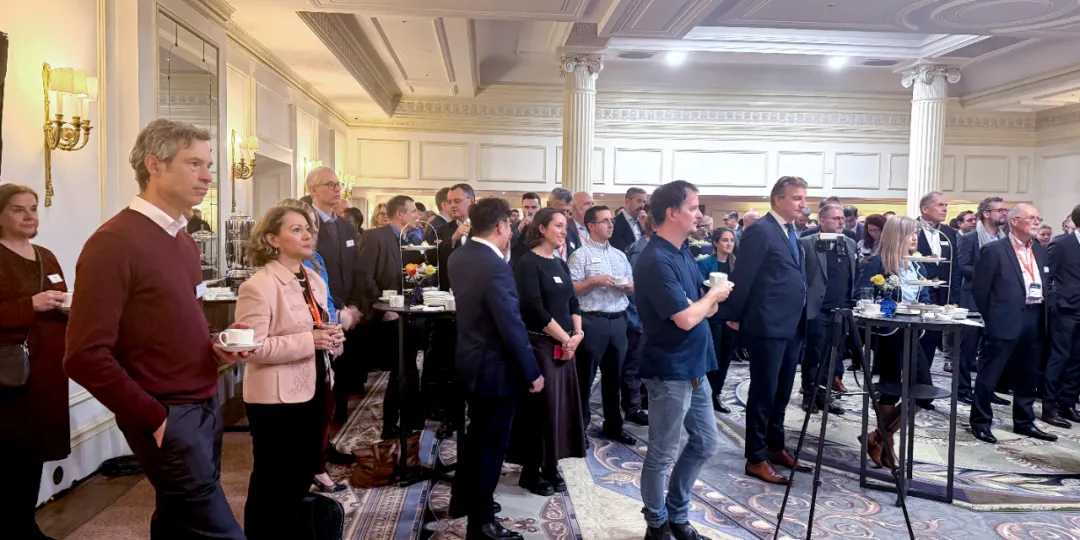
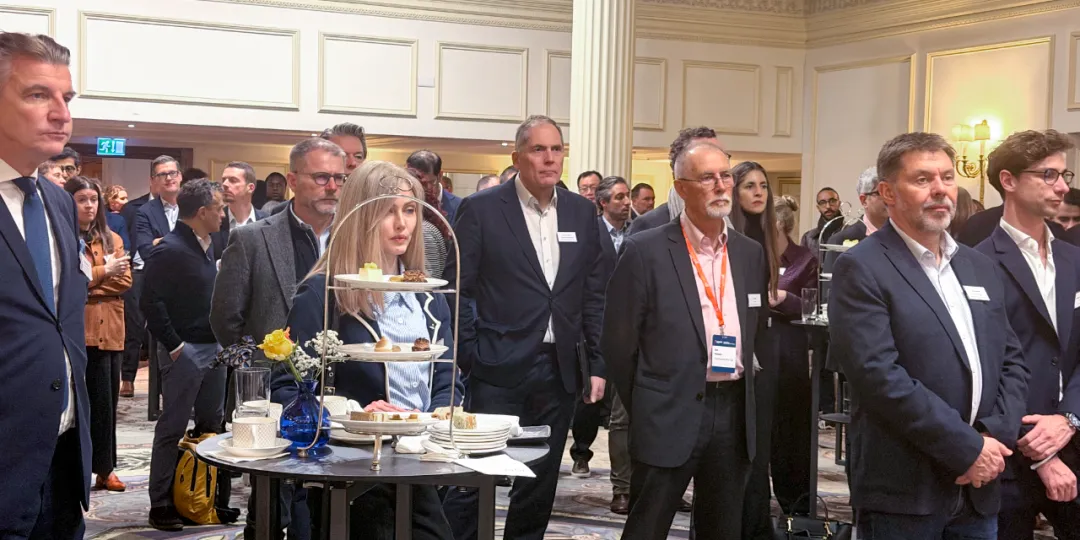
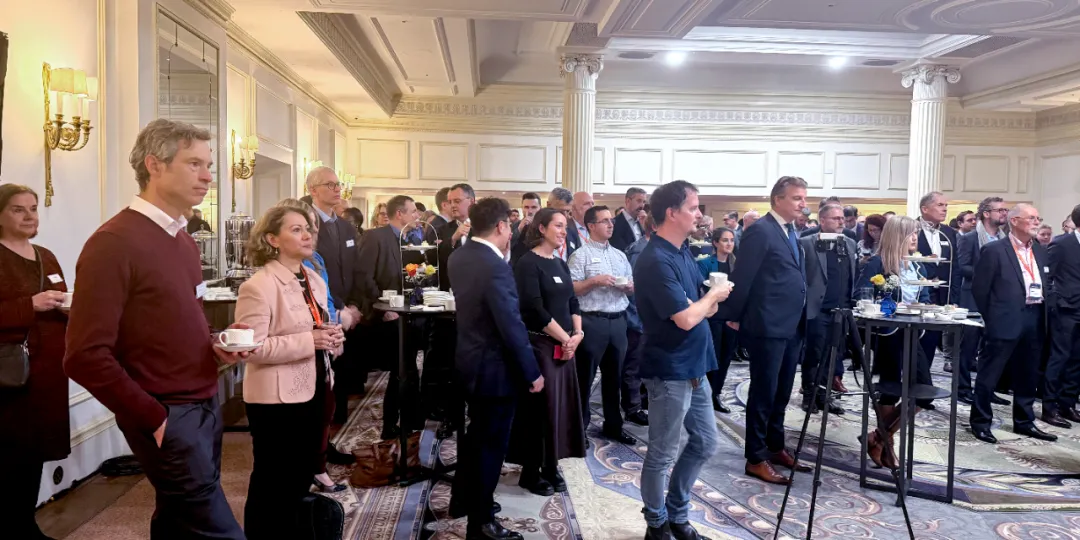
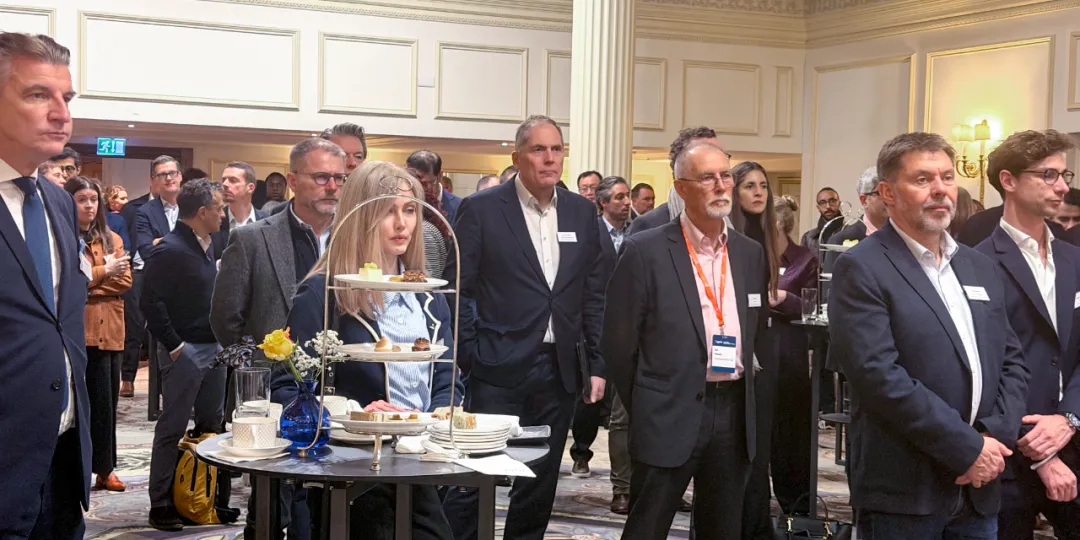
大会期间,药明康德延续英伦下午茶传统,邀请近200位来自全球投资、企业孵化及新药研发领域的行业同仁相聚,在茶香与思想的交融中,共同感受推动医药创新的热忱与力量。
大会期间,恰逢一年一度的金融城市长巡游(Lord Mayor’s Show)。来自不同领域的人们汇聚街头,以各自的专业与贡献,共同展现一座城市的活力与荣光。药明康德副总裁、活动主席蔡辉博士在开场致辞中分享了这一幕带来的感悟:全球生物医药产业亦是如此。我们来自不同国家,深耕不同领域,探索不同路径,却怀揣着同一个梦想——让更多好药早日惠及患者。在这场跨越国界与学科的创新征程中,我们彼此学习、相互信任、彼此成就,共同汇聚起超越任何个体的力量,奔赴一个比我们各自所能想象的更加广阔的未来。
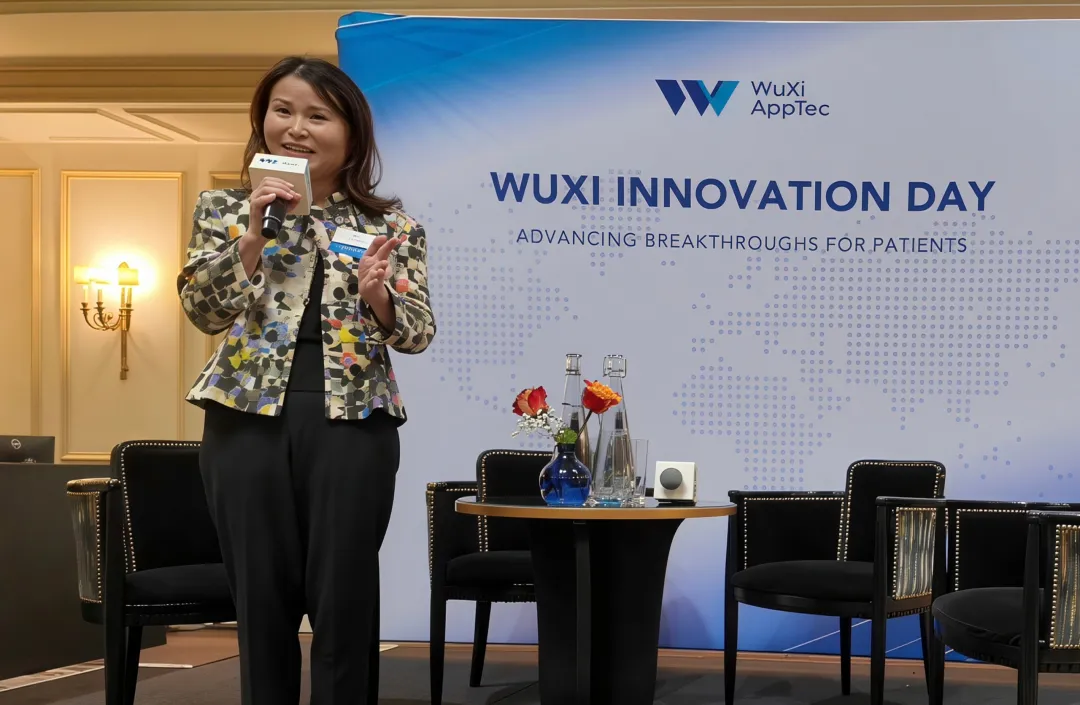
▲药明康德副总裁、活动主席蔡辉博士
不忘初心:从患者需要的药物出发
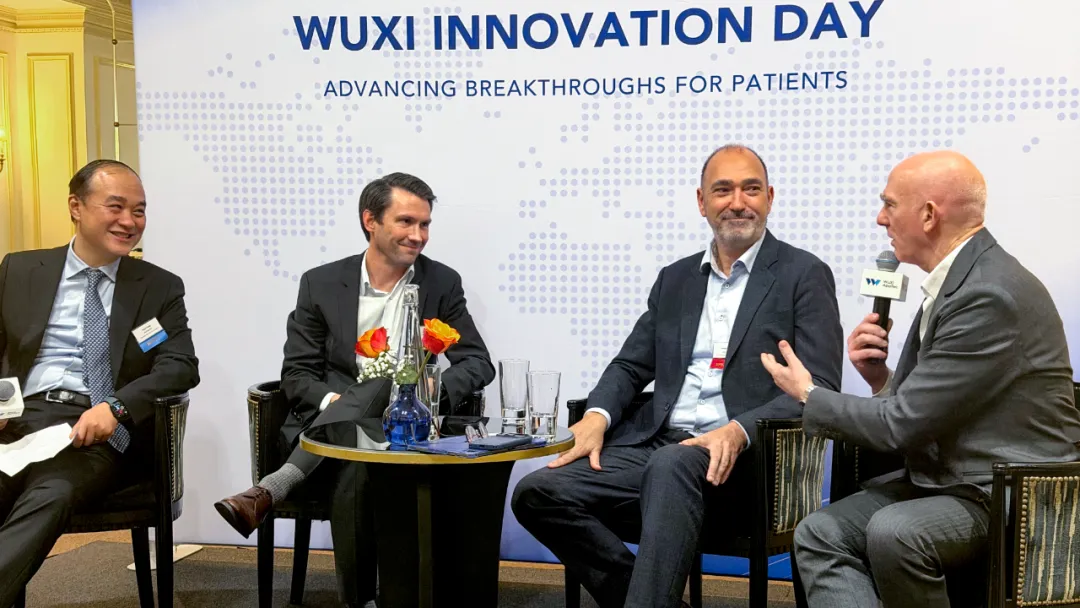
▲从左至右依次为:药明康德联席首席执行官杨青博士,Flagship Pioneering企业孵化合伙人Mike Hamill博士,Aulis
Capital风险投资合伙人Franck Le Deu先生,与Sofinnova Partners董事长兼管理合伙人Antoine
Papiernik先生
为患者创造价值,就需要在研发早期想清楚:这项科学发现能带来什么样的药物,又能为患者带来什么改善?
作为欧洲老牌基金,Sofinnova Partners半个世纪以来的投资覆盖从种子期到临床后期的全价值链,已累计支持了超过500家企业。上周,该公司完成7.25亿欧元的基金募集,支持处于后期开发阶段的生物科技与医疗技术公司。阅尽产业周期的Antoine Papiernik先生指出,他看好欧洲生物技术产业的机会,也认为不同疾病领域都有值得探索的方向。但具体到一个项目,“关键在于这款药物能否达到目标产品特征(Target Product Profile,TPP)的要求,并最终惠及患者。”
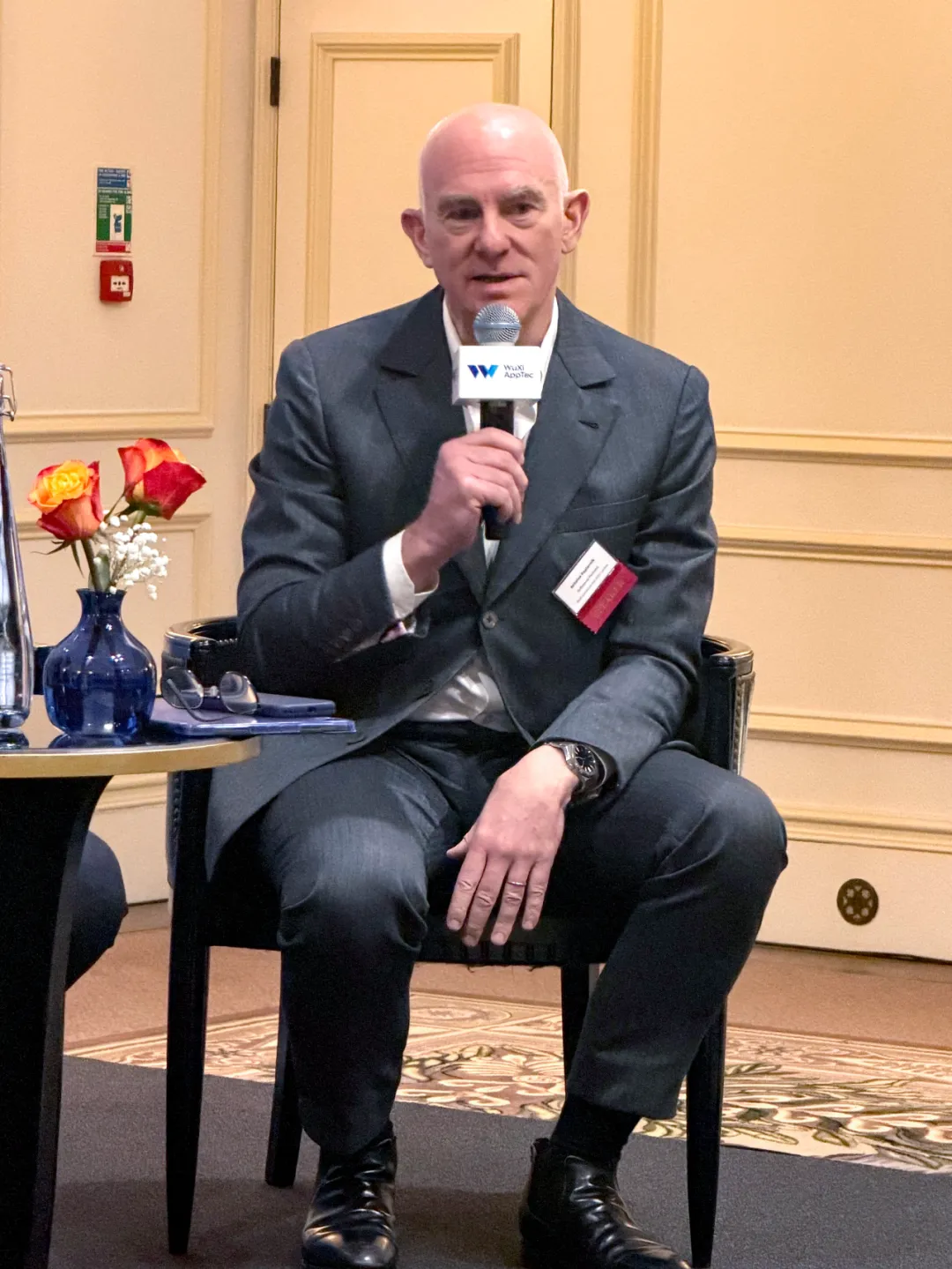
▲Sofinnova Partners董事长兼管理合伙人Antoine Papiernik先生
在他看来,在研发之初,创新者就需要勾勒出目标患者、预期获益与临床应用特征,团队才更容易判断,眼前的研究是否正在朝着患者需要的方向推进。
Flagship Pioneering在过去25年间凭借独特的孵化模式,将大胆的科学设想转化为变革性平台和产品,已创立超过130家企业。活动前一日,Flagship宣布首期投入1亿英镑在英国设立孵化实验室(Origination Lab),以打造“AI原生”平台型公司。Mike Hamill博士是该模式的深度践行者,也同样秉持着这种“以终为始”的思维。以他参与孵化的Abiologics为例,这家公司结合AI与化学的力量,致力于开发由D-氨基酸(与天然蛋白质通常使用的L-氨基酸互为镜像)构成的蛋白质疗法,为分子设计提供了不同的可能。
但他强调,无论技术多么颠覆想象,团队仍需尽早考虑:应该选择哪些生物学靶点?哪些实验能够证明这种疗法的优势?“在构建目标宏大的技术平台时,要始终想着具体的产品目标。”
Franck Le Deu先生则为这一判断注入了全球视野。他所在的Aulis Capital本月刚完成首期2亿美元基金募资,专注于通过全球协作加速早期与成长期企业的发展。他介绍,“无论来自美国、亚洲还是欧洲,一个重要的投资标准,是项目能否具备走向全球的潜力。”
大步快跑:让创新和验证变得更高效
让研发更快取得进展,需要尽早找准关键问题,把时间与资源用在能够支持下一步决策的证据上。
AI无疑是业内广受关注的工具之一。在早期项目发掘上,面对每年约5000个潜在项目和海量文献,Sofinnova Partners大约八年前便开始建设AI系统“Sofia”,辅助投资人团队捕捉哪些尚不显眼的科学信号,带着更深入的问题与创业者交流。
在企业孵化与研发执行中,AI也正在带来更为深入的变化。据Mike Hamill博士介绍,AI如今已经融入Flagship Pioneering创建新公司的过程——“我们创建的每一家企业,都是AI原生企业。”一家新公司从成立第一天起,就能获得AI专家支持。AI智能体也开始参与日常运营,让团队减少事务性协调的负担。
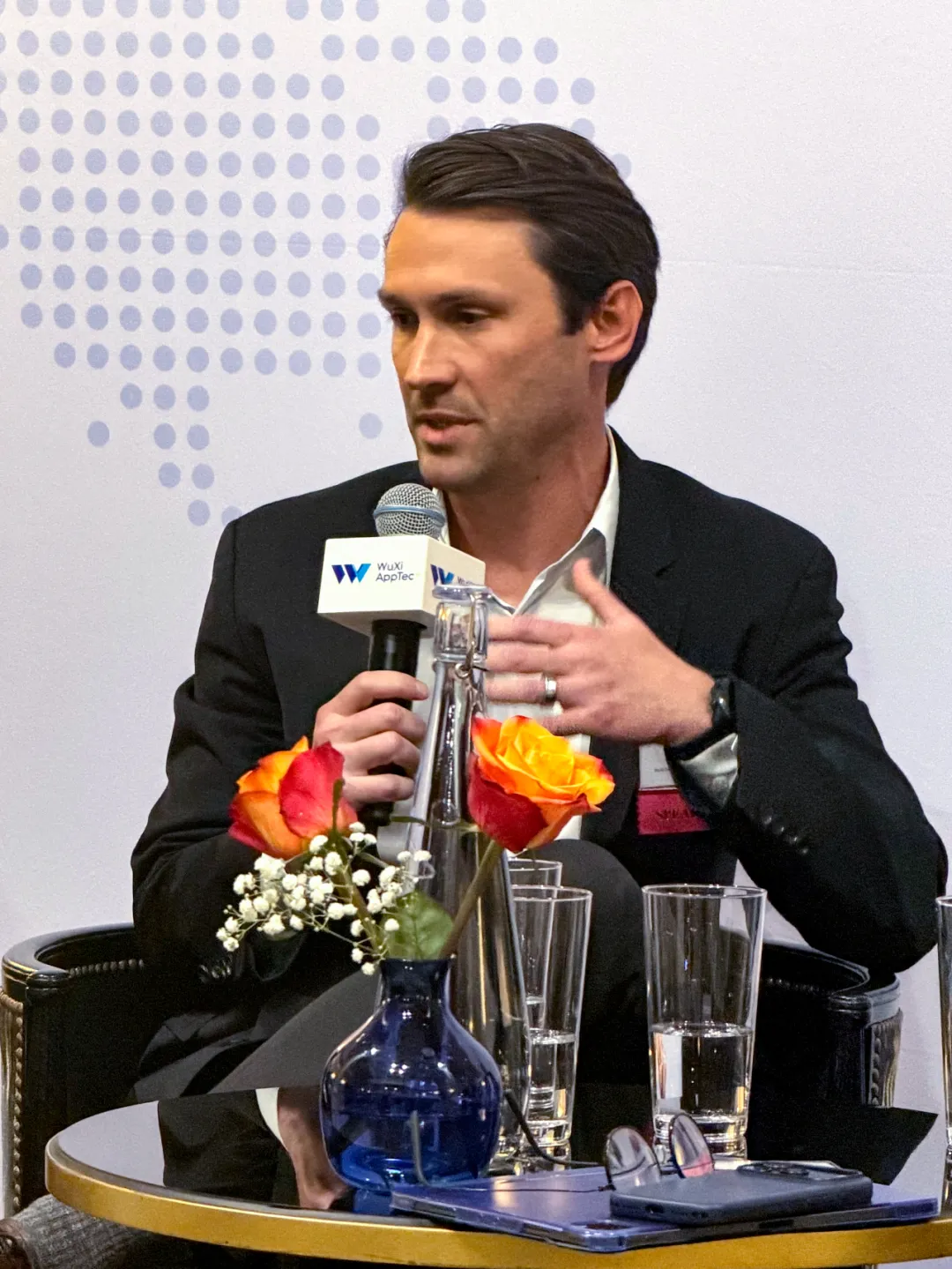
▲Flagship Pioneering企业孵化合伙人Mike Hamill博士
开发一种新的分子疗法时,团队可能对它的差异化优势有几种不同设想。Mike Hamill博士强调,应当把检验这些设想的关键实验“前置”,结合AI的能力,尽早弄清哪些优势能够得到数据支持。
Franck Le Deu先生则把目光投向了后期临床开发,这些环节需要可观的投入,协调也相对复杂。他提出,如果将不同创新生态中的经验与AI结合,辅助受试者招募和患者管理等工作,就有机会提升后期开发的效率。
计算能力的提升,同样需要实验能力与之配合,才能更快带来新药。杨青博士指出,药明康德湿实验室的“合成”与“测试”能力,可以与计算工具提出假设、设计分子的能力形成互补。这既适用于专注AI研发的企业,也适用于将AI逐步引入现有工作流程的公司。在他看来,计算与实验之间的衔接越顺畅,团队就越能及时从结果中学习,开启下一轮研究。
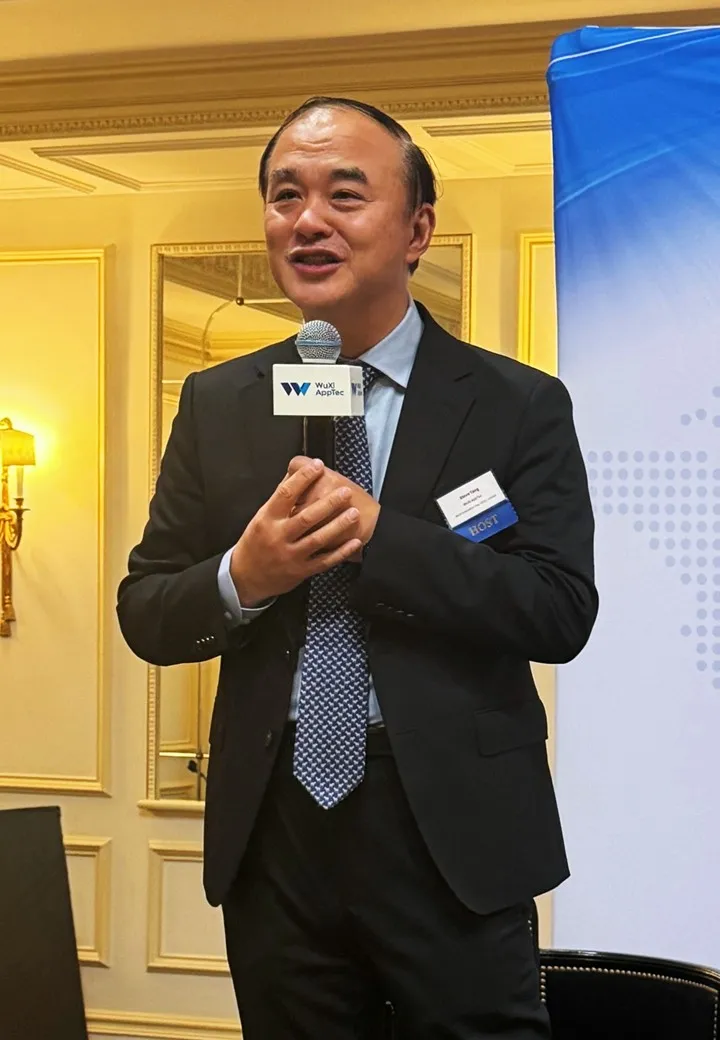
▲药明康德联席首席执行官杨青博士
历久弥新:合作也要经得起时间考验
嘉宾们也指出,把这些方法落到实处,需要各方对自身的核心优势,以及合作伙伴的专长有着清晰认识。
Mike Hamill博士提到,创建一家有特色的公司,并不意味着从头建立所有研发功能。构成平台独特价值的数据与技术,需要企业持续积累;其他能力则可以通过外部合作获得。Flagship Pioneering将在英国设立的新的企业孵化实验室,也体现了以共享生态加速创新验证的思路。
Antoine Papiernik先生给创业者的建议与此呼应:先找到独特的科学或临床洞见,再与外部专业团队联手。他提到,企业可以与药明康德这样的伙伴合作,获得从DMPK(药物代谢与药代动力学)到生产等环节的支持,更快获得证据,向前推进项目。
Franck Le Deu先生则补充说,一项科学发现可能诞生于某个实验室,继续开发所需的经验、资金与市场资源,却可能分布在不同地区。把这些优势连接起来,才能为项目争取更多发展机会。他介绍,自己会定期走访全球创新中心,这样的交流也有助于双方思考如何双赢。正如他强调的,“不能只看未来6个月,更要着眼于未来10年、20年。”
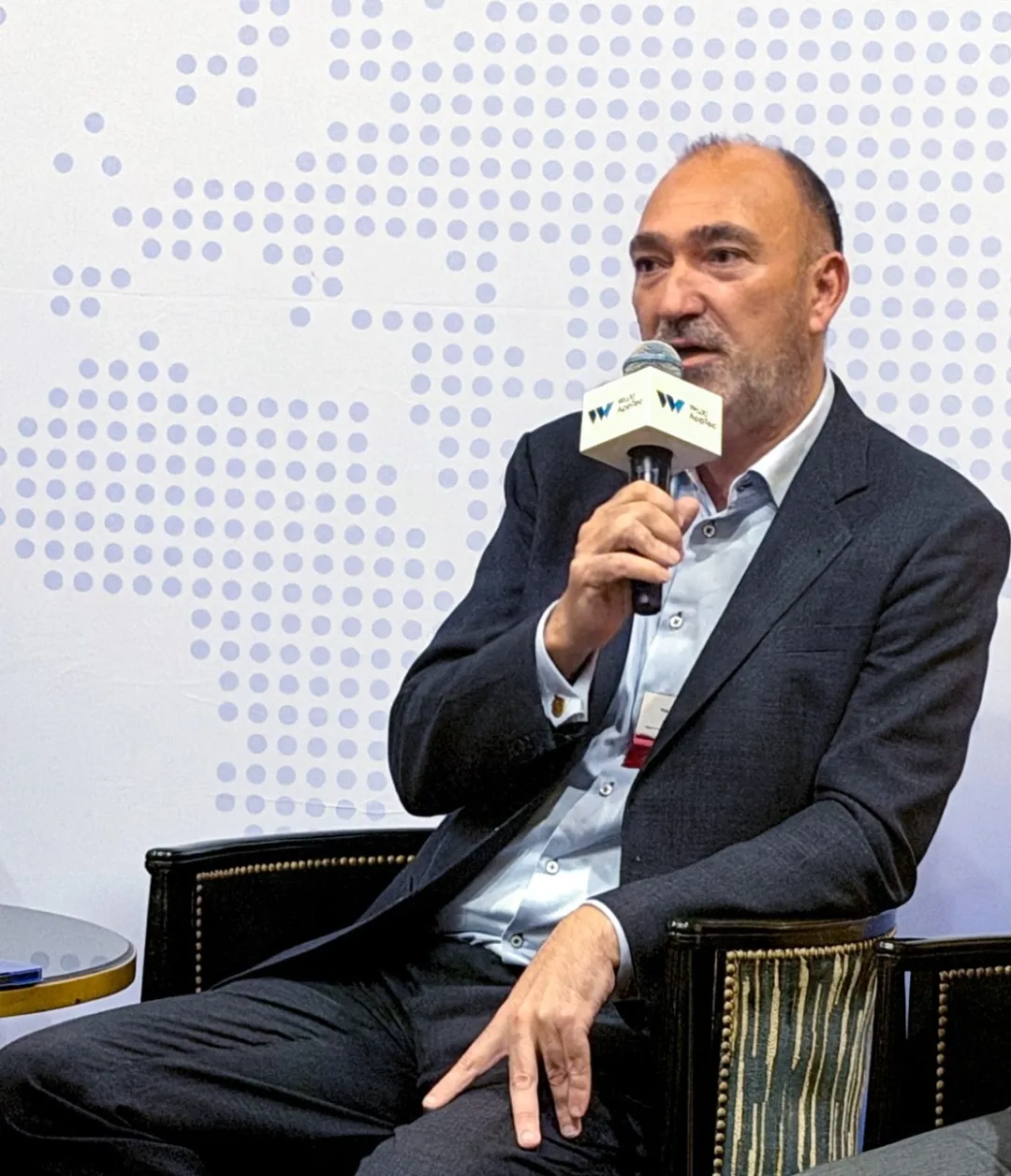
▲Aulis Capital风险投资合伙人Franck Le Deu先生
新药研发的周期,决定了合作需要这样的长远视角。从发现、开发到生产,项目所需的技术与资源不断变化,伙伴之间的关系也需要随之共同演进。
在讨论的尾声,杨青博士谈到了复杂系统的可靠性。近期通信与出行服务发生的中断,让他感受到,高度互联的系统也有脆弱的一面。对于新药研发,这意味着各方需要共同考虑服务的韧性和稳定性,以及出现问题时如何应对。
而支撑这一切的根基,正如杨青博士所总结的,“是相信彼此能够协力化解难题,是生态圈各方为了造福患者而凝聚在一起的共同信念。”
Different Roles, One Purpose: Creating Value for Patients
In November, the Jefferies Global Healthcare Conference—often described as Europe’s counterpart to the J.P. Morgan Healthcare Conference—brought investors, entrepreneurs, and industry leaders from around the world to London to discuss progress in drug innovation and what lies ahead.
During the conference, WuXi AppTec embraced the British tradition of afternoon tea, welcoming nearly 200 colleagues from investment, company creation, and drug R&D worldwide. Over tea and conversation, participants shared the ideas and enthusiasm that drive medical innovation.
London’s annual Lord Mayor’s Show provided a fitting backdrop. People from different sectors gathered in the streets, celebrating their contributions to the city’s vitality and character. In her opening remarks, Dr. Hui Cai, Vice President of WuXi AppTec and Chair of the event, reflected on the parallel with the global biopharmaceutical industry: we come from different countries, work in different fields, and take different approaches, yet share one ambition—to bring more innovative medicines to patients sooner. Across borders and disciplines, we learn from one another, build trust, and help each other succeed. Together, we can achieve more than any of us could alone—and open possibilities beyond what we can individually imagine.
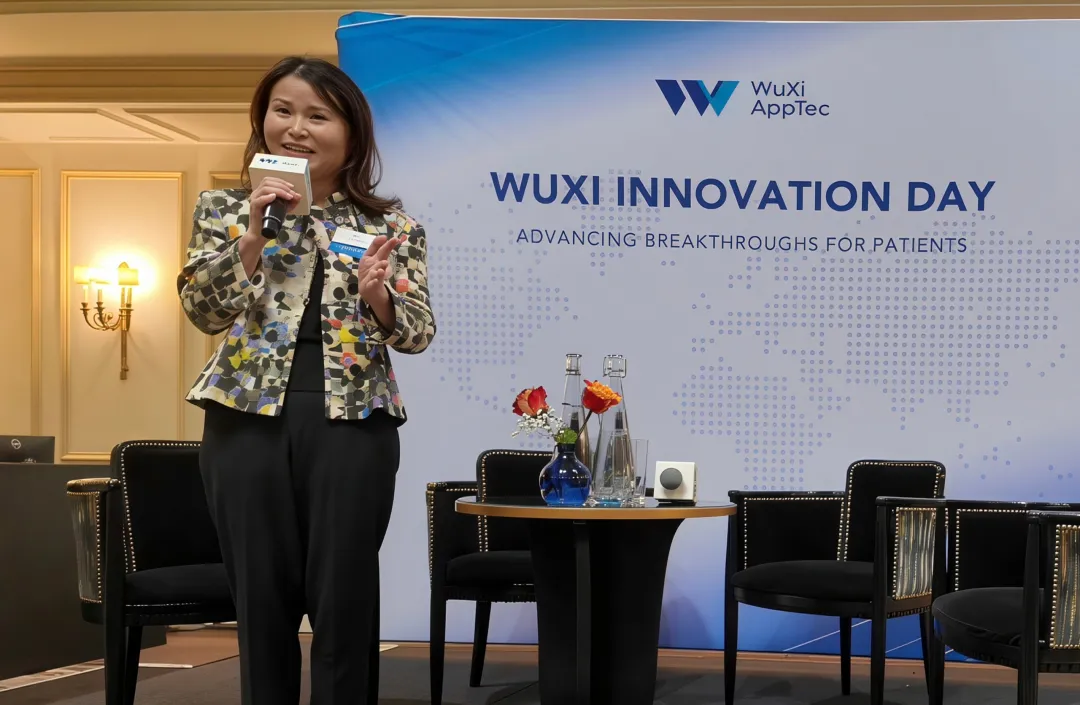
▲Dr. Hui Cai, Vice President of WuXi AppTec and Chair of the event
Start with the Medicine Patients Need
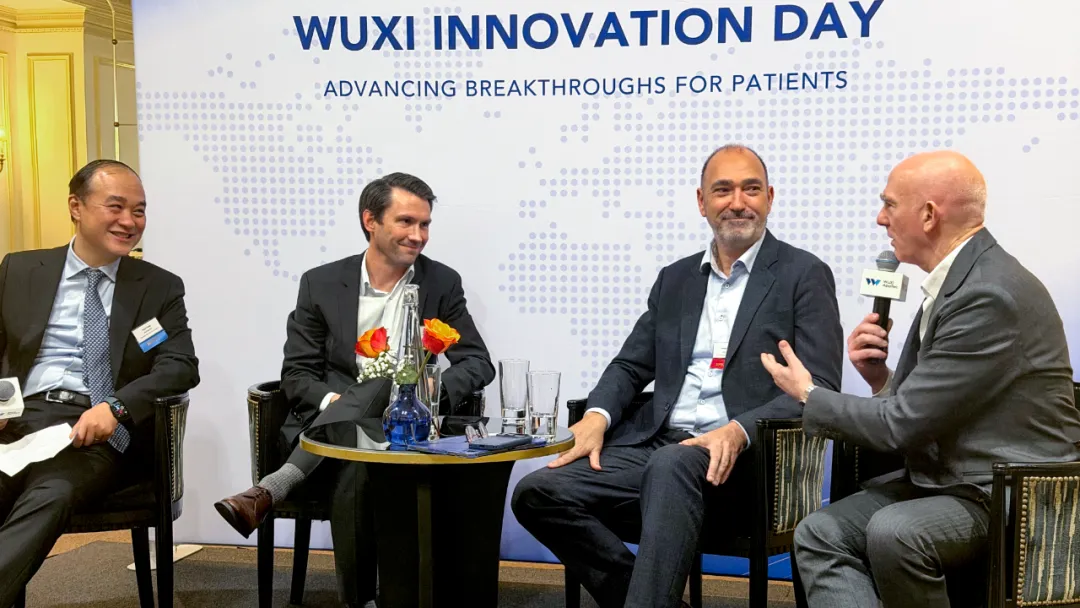
▲From left to right: Dr. Steve Yang (Co-CEO of WuXi AppTec), Dr. Mike Hamill
(Origination Partner at Flagship Pioneering), Mr. Franck Le Deu (Venture Partner
at Aulis Capital), and Mr. Antoine Papiernik (Chairman and Managing Partner at
Sofinnova Partners)
For the panelists, creating value for patients means asking early: what kind of medicine could this science produce, and what would make it better for patients?
As a storied European venture firm, Sofinnova Partners has invested across the entire value chain from seed to late stage for half a century, backing more than 500 companies. Drawing on decades of industry experience, Antoine Papiernik expressed confidence in European biotech and saw opportunities across therapeutic areas. When evaluating a specific program, however, he emphasized: “It’s not about the field. It’s about whether that drug actually meets a target product profile that will ultimately be delivered to patients.”
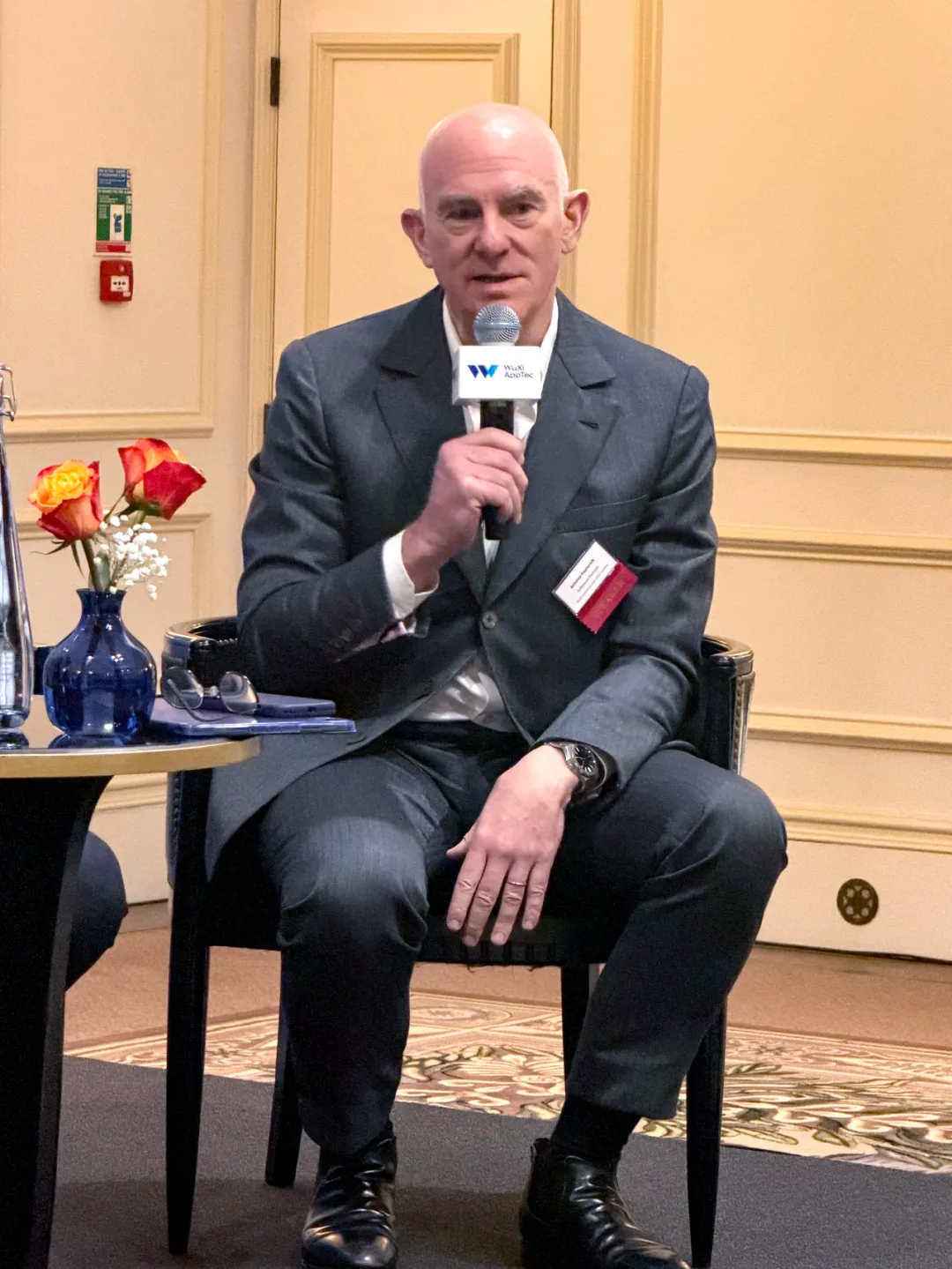
▲Mr. Antoine Papiernik, Chairman and Managing Partner at Sofinnova
Partners
A target product profile gives that ambition a practical definition: who the medicine is intended to treat, what benefits it should offer, and what characteristics would make it useful in clinical practice. It helps teams assess whether their research is moving toward a medicine that meets patients’ needs.
Over the past 25 years, Flagship Pioneering has applied its unique venture-creation model to turn bold scientific questions into transformative platforms and products, creating more than 130 companies. Just a day before the event, Flagship announced an initial £100 million commitment to establish a UK Origination Lab focused on building “AI-native” platform companies. Deeply involved in that origination process, Dr. Mike Hamill shares the same philosophy.
He described Abiologics, which combines AI and chemistry to develop therapeutics built from D-amino acids—the mirror-image counterparts of the amino acids typically used in natural proteins. The approach opens a different space for designing medicines. But even such an ambitious platform needs an early view of which biological targets to pursue and which experiments could demonstrate its advantages.
Franck Le Deu brought a global perspective to the same challenge. His firm, Aulis Capital, closed its inaugural $200 million fund this month to accelerate early- and growth-stage companies through global collaboration. Describing Aulis Capital’s focus on early-stage innovation across Europe, the United States, and Asia, he emphasized that prospective investments need global potential.
Build Better Ways to Learn
Making progress toward that goal requires teams to identify the most important questions early and generate evidence that helps them decide what to do next.
On the investment side, faced with roughly 5,000 potential deals a year and an ever-growing volume of scientific literature, Sofinnova Partners began building its AI system, “Sofia,” about eight years ago. The system helps the investment team spot subtle, early scientific signals and engage entrepreneurs with deeper, more informed questions.
Dr. Mike Hamill described how AI is becoming part of both the science and the operation of new companies at Flagship Pioneering.
“Every company we build is AI-native,” he noted. A new venture can work with an embedded AI expert from its first day. AI agents also support communication, information consolidation, and project management, helping teams spend less time coordinating routine work.
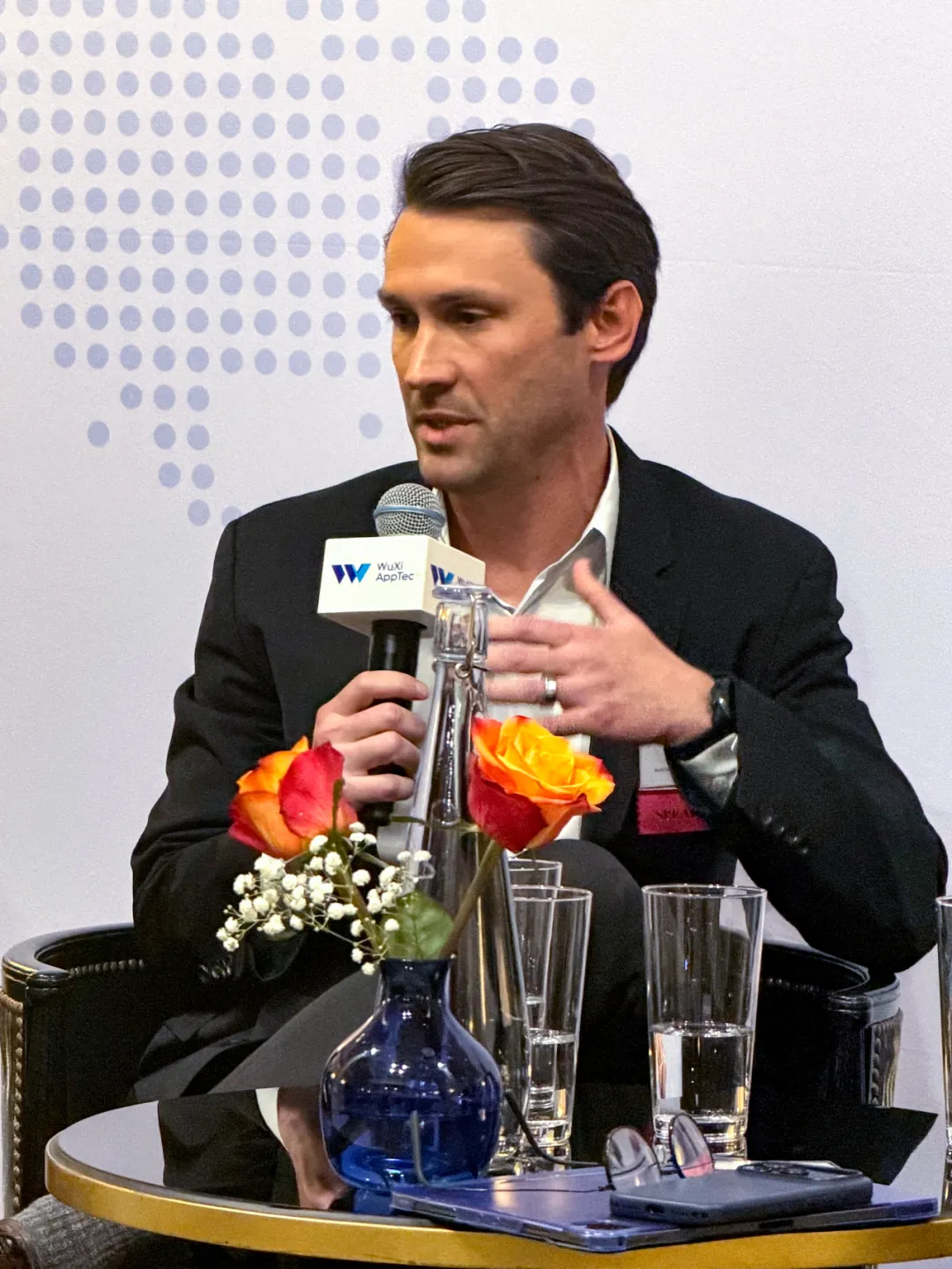
▲Dr. Mike Hamill, Origination Partner at Flagship Pioneering
The scientific opportunity extends further. When developing a new therapeutic modality, a team may have several hypotheses about what could make it distinctive. Dr. Mike Hamill described “front-loading” the experiments that test those hypotheses—combining AI with targeted testing, so researchers can learn sooner which advantages are supported by data.
Franck Le Deu looked beyond discovery to another area where better tools and shared expertise could make a difference: late-stage clinical development. He raised the possibility of combining experience across ecosystems and applying AI to activities such as patient recruitment and patient management. These are substantial operational tasks and the financial commitment is considerable.
These ideas also have implications for the experimental work that supports AI. In his remarks before the panel, Dr. Steve Yang described WuXi AppTec’s wet-lab “make and test” capabilities as a complement to computational approaches that propose molecules and hypotheses. That support applies both to companies focused on AI-driven research and to companies adopting AI within their existing workflows.
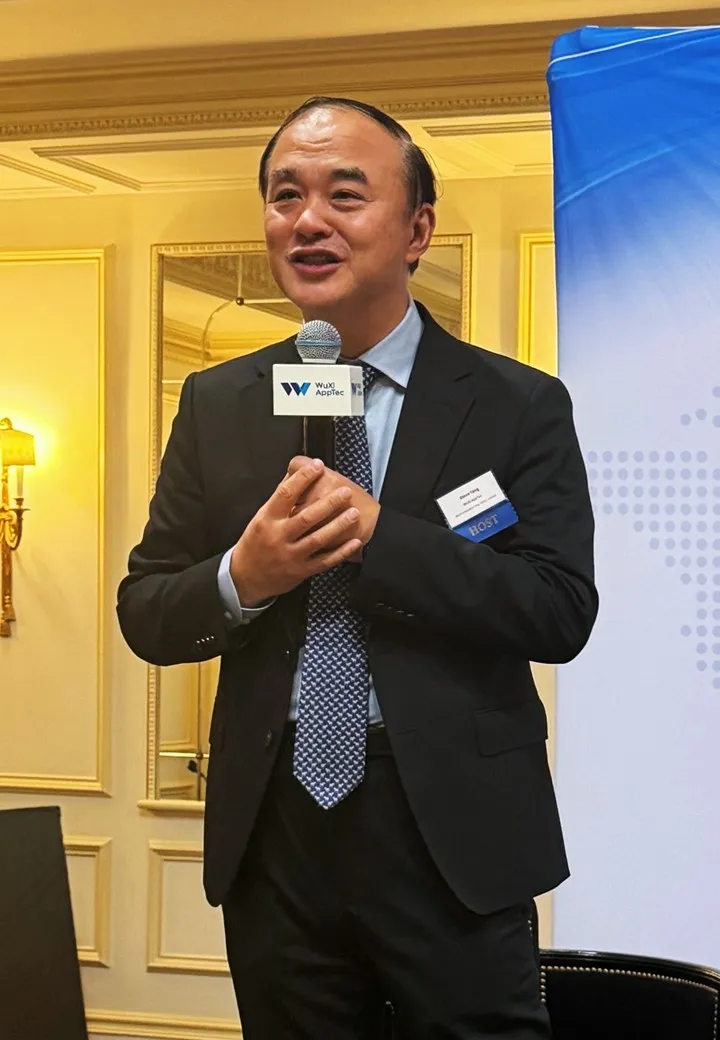
▲Dr. Steve Yang, Co-CEO of WuXi AppTec
Make Collaboration Work for the Long Term
Putting these approaches into practice requires partners who understand what each team needs to own, what others can contribute, and how to keep the work moving together.
Dr. Mike Hamill drew a distinction between the proprietary data and capabilities that give a platform its value and the work that can benefit from external expertise. Building a distinctive company does not require building every function internally. Flagship Pioneering’s new Origination Lab in the UK similarly reflects this philosophy of accelerating innovation through a shared, collaborative ecosystem.
Antoine Papiernik offered complementary advice to entrepreneurs: identify the scientific or clinical insight that makes a company distinctive, then connect it with the capabilities needed to generate data promptly. He cited working with WuXi AppTec on activities ranging from drug metabolism and pharmacokinetics to manufacturing as one way entrepreneurs can access the capabilities needed to advance their programs.
For Franck Le Deu, scientific insight, development expertise, capital, and access to markets may sit in different places. Connecting those strengths can give a promising medicine more ways to advance.
He described returning regularly to visit companies and spending time on the ground to keep up with changing capabilities. Those visits also create opportunities to understand what each side needs from a partnership. He emphasized the importance of making collaboration “a win-win, not just for the next six months, but for the next 10 years, 20 years.”
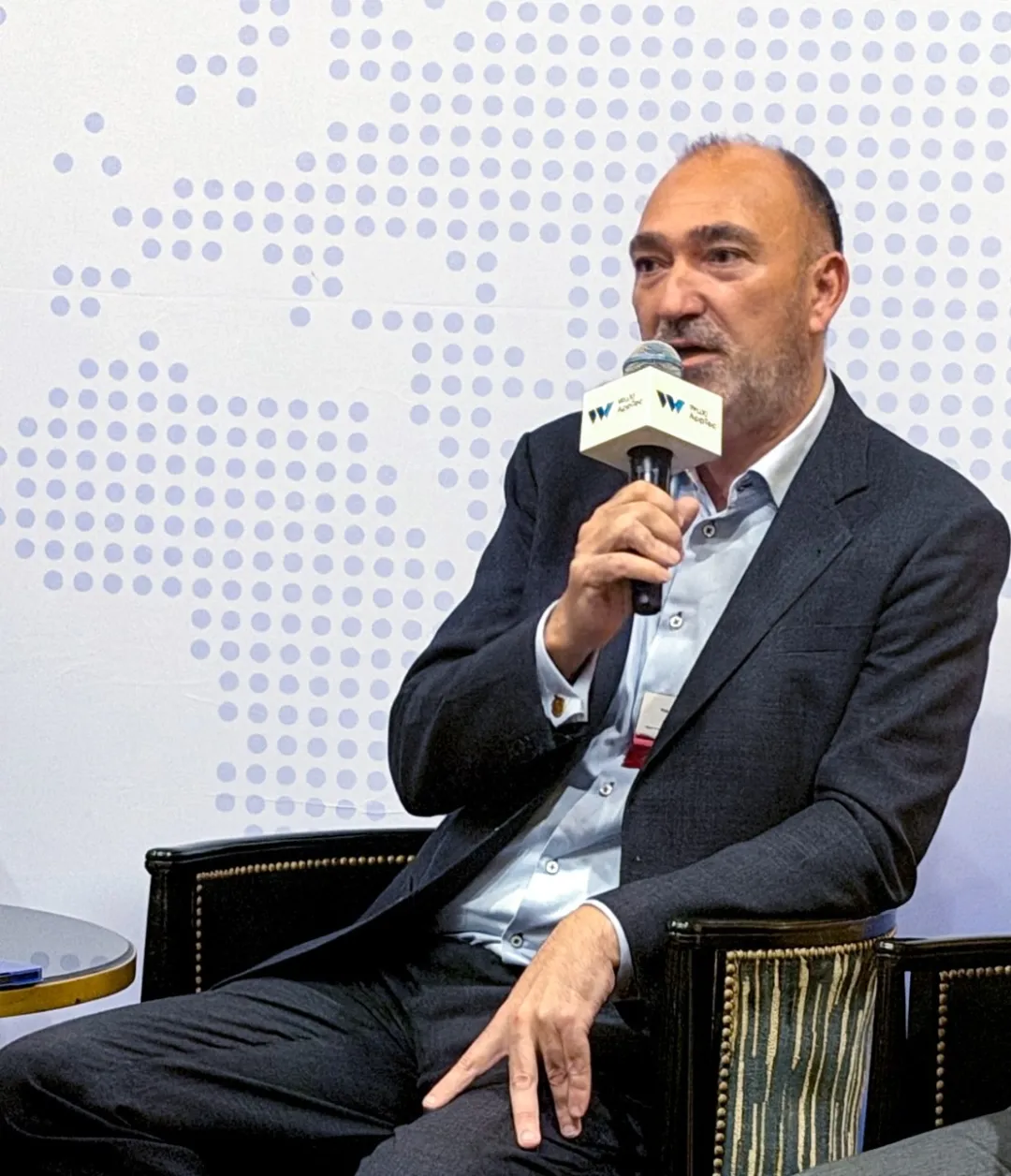
▲Mr. Franck Le Deu, Venture Partner at Aulis Capital
That longer view connects partnership decisions with the realities of drug development. A program’s needs change as it moves from discovery through development and toward manufacturing. Scientific and operational relationships must be able to adapt along the way.
Closing the panel, Dr. Steve Yang reflected on the reliability that increasingly complex systems require. Recent disruptions to communication and travel reminded him how vulnerable interconnected services can be. In drug R&D, that raises practical questions about resilience, dependable service, and how partners respond when something goes wrong.
The discussion returned to the shared purpose Dr. Hui Cai had described at the start. Investors, company builders, researchers, and enabling partners contribute different kinds of expertise. Their collective value emerges through the decisions, experiments, and relationships that help a medicine advance.
Ultimately, as Dr. Steve Yang put it: the foundation comes down to trust. “It is the belief that we can solve problems together, and the shared conviction across our ecosystem that we are all here to serve patients.”
 产业资讯
求实药社 2026-11-24
394
 产业资讯
识林 2026-11-24
431
 产业资讯
药融圈 2026-11-24
540
 热门资讯
 微信公众号